
Conference vocabulary is mostly borrowed. Some of it comes from academic conferences, some from the trade-show world, and a few terms were invented by the people running small technical events and then spread. The result is that a programme can use four words for a session and mean four genuinely different things by them, and nobody explains which.
The terms, and what each one settles
Each entry below has a page of its own with the definition, how the format is actually run, where it goes wrong, and what it is often confused with.
- Keynote speaker: what the role is for, how one is chosen, and why the opening and closing slots are different jobs.
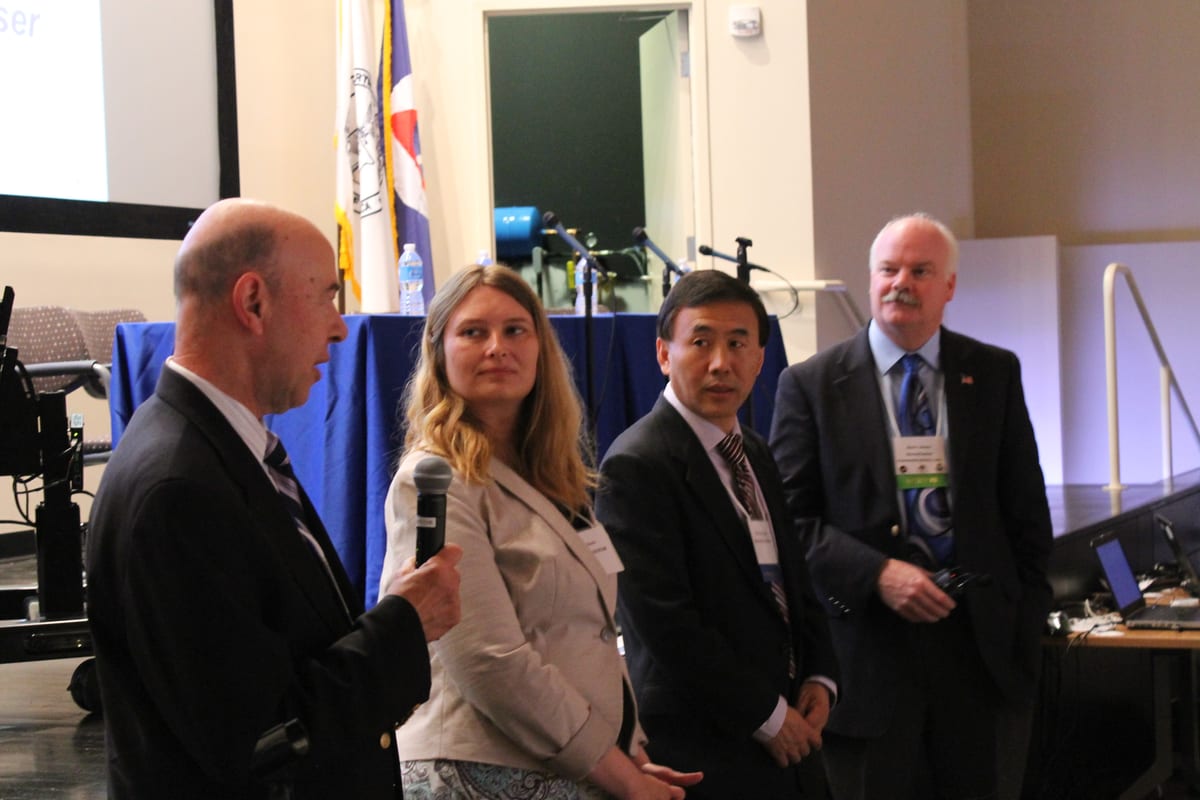
- Panel discussion: the format most often programmed and least often run well, and what a moderator actually does.
- Fishbowl discussion: a structured conversation with an empty chair, and the rule that makes it work.
- Plenary session: the whole event in one room, and what that costs in scheduling.
- Breakout session: the term that means four different things depending on who wrote the programme.
- Unconference: a schedule built on the morning by the people attending, and when it works.
- Brown bag session: the lunchtime format, its origin, and why the name matters to how it is run.
- Poster session: the academic import that technical events keep rediscovering.
- Conference badge: the most-handled object at any event and the one with the most design decisions in it.
- Conference swag: what it is for, what it costs, and the case against most of it.
- Conference proceedings: the academic artefact, and what technical events have instead.
- Speaker honorarium: payment, expenses, and the difference that decides who can afford to speak.
Why the vocabulary is inconsistent
Because it arrived from three directions at once. Academic conferences contributed plenary, proceedings, poster session and the whole apparatus of a call for papers. Trade shows contributed the exhibition floor, the badge and the swag. And the technical community invented the informal formats, the unconference and the lightning talk among them, largely in reaction to the first two.
Three vocabularies, one schedule, no translation layer.
The practical consequence is that a word on a schedule is not a promise. A breakout at one event is a workshop and at another it is a talk in a smaller room, and the only reliable way to find out is the description underneath.
The distinction that matters most
Not the name of the format but what it asks of the person walking in, which is the range the chart above draws. Somebody choosing between two sessions is really choosing between listening and participating, and a programme that makes that clear gets people into the right rooms.
That is also the useful test when designing a day. A schedule stacked entirely at the left of that range is a lecture series, and one stacked entirely at the right is exhausting by mid-afternoon. How the mix is arranged across a day is on programme and tracks.
Terms with their own pages elsewhere
Several conference terms are covered in more depth in the sections they belong to rather than here: the lightning talk, the abstract, the call for speakers, the hallway track, sponsorship tiers and the prospectus.
They are in those sections because each is a decision with consequences rather than a word with a definition, and splitting them across two places would mean maintaining the same explanation twice.
Questions
Why do conferences use so many words for a session?
Because the vocabulary arrived from three directions: academic conferences, trade shows, and the informal formats technical communities invented in reaction to both. Nothing reconciled them, so several words now describe overlapping things.
What is the difference between a keynote and a plenary?
A plenary is any session the whole event attends together. A keynote is a plenary with a particular job: setting the theme at the start or drawing it together at the end. Every keynote is a plenary; most plenaries are not keynotes.
Is a breakout session the same as a workshop?
Sometimes, and that is the problem with the word. At one event a breakout is a hands-on workshop and at another it is an ordinary talk in a smaller room. The description underneath the title is the only reliable guide.
Which distinction actually matters on a schedule?
What the format asks of the person walking in. Somebody choosing between two sessions is really choosing between listening and participating, and a programme that signals which is which gets people into the right rooms.
Why are lightning talks and the hallway track not in this glossary?
Because each is a decision with consequences rather than a word with a definition, so they are covered in the sections they belong to. Splitting them would mean maintaining the same explanation in two places.